



Building Confidence in a Crisis: The Real Value of Advanced Life Support Courses


59Views
Hospitals, clinics and ambulance services are always caught off guard by a critical emergency. A patient may collapse in cardiac arrest, develop respiratory failure or get worse very quickly in minutes, and the team present must act swiftly and properly. Advanced life support courses are available that aim to equip healthcare professionals for just such situations, with structured theoretical components complemented by practical, hands-on experience to ensure they are able to respond appropriately without having to figure it out as they go along. For doctors, nurses, paramedics and allied health workers, this training has come to form an integral part in their efforts to remain truly prepared for the moments that count.
Types of Advanced Life Support Courses Available
The training in this field is usually divided into levels of experience and clinical roles. In ALS1, they will learn some basic resuscitation skills, including airway management and how to spot when a patient is deteriorating. In ALS2 more advanced material such as ECG interpretation, defibrillation technique and the common medication used during cardiac arrest is introduced. Paediatric Advanced Life Support (PALS1) is usually a one-day course for those who are not regularly involved in emergencies but who are required to have the confidence and skills to respond when there is a paediatric emergency. To complement the courses, recertification courses are provided for staff who have already been trained to refresh their knowledge as guidelines and best practices change over time.
How These Courses Are Delivered
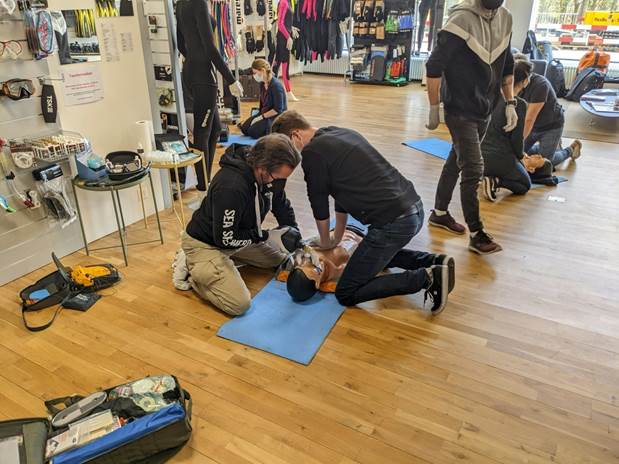
The majority of advanced life support courses melbourne are delivered from specialist training centres which are frequently located in a central location within a major city to ensure easy access for staff from hospitals and clinics in the region. The training is normally presented in a blended delivery model that includes online theory learning and in-person practicals using manikins and simulation technology and real clinical equipment. Through realistic emergency scenarios, participants learn and practise airway emergencies, coordinated team communication, and much more while being instructed by experienced instructors. With small groups, teachers can provide feedback on an ongoing basis, instead of reading to a large group. Many locations are located near hospitals, facilitating staff to schedule training around clinical duties and shifts.
Benefits of Ongoing Training and Recertification
Advanced life support courses offer more than just a safe environment for the workplace. This is because repeated practice, done on a hands-on basis, can develop the muscle memory that helps clinicians to respond swiftly and calmly during an actual emergency situation, instead of panicking or second-guessing the right action. Remaining current also provides professionals to the current resuscitation guidelines from the ANZCOR and the ILCOR, which are regularly updated when new clinical evidence emerges. Having up-to-date certification is a must for many healthcare professionals, especially those in hospitals and emergency services who may be required to use these skills at any point in their shift. The next benefit of well-trained teams is that they coordinate more efficiently during a crisis because everyone knows their job and feels confident in it. By investing in advanced life support courses, you are helping to ensure better patient outcomes and a safer work environment for all.
Tags:KS