





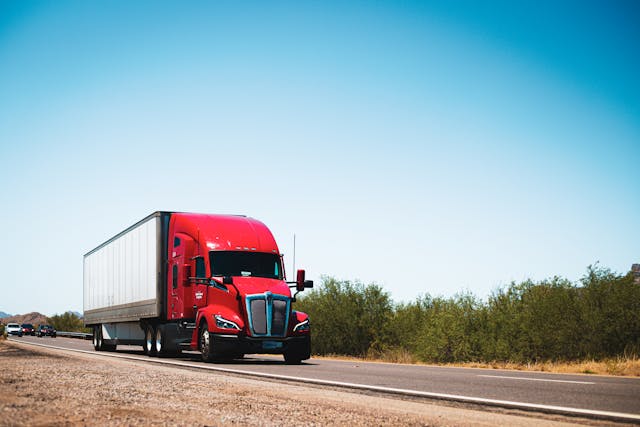
Australia’s huge land area makes it very important for economic growth to be connected. Businesses depend on effective goods networks to carry items from one state to another because large cities are spread out over thousands of km. Seamless logistics keep shelves supplied and industries functioning efficiently, whether it’s fresh food going from farms in the country to supermarkets in the city or manufactured items going to distribution centers.
For Australian businesses, timely delivery is more than simply a nice thing to do; it has a direct effect on customer satisfaction and profits. Delays can cost money, hurt partnerships, and hurt reputations. As e-commerce grows across the country, the need for dependable freight services that can move big amounts of goods over state boundaries has grown a lot. This change has made it more vital than ever to coordinate transportation and manage the supply chain.
How mobility between states supports national supply chains
Australia’s domestic trade depends on efficient interstate transportation. Businesses can choose the best way to move their goods via road, rail, sea, or air, depending on their schedules and costs. Road freight is still one of the most common ways to move goods since it is flexible and can go to both regional and rural areas. It makes it possible to deliver packages from one door to another, which is especially useful in a country where many communities are far from major ports and rail hubs.
Interstate freight services do more than just give you flexibility. They also help keep supply chains stable throughout seasonal changes or unexpected problems. For instance, if floods or bushfires affect one area, other routes and coordinated logistics can make sure that commodities still get to their destinations. Australia’s economy stays strong even when times are tough by investing in strong transport networks.
Helping the economy and jobs in the region
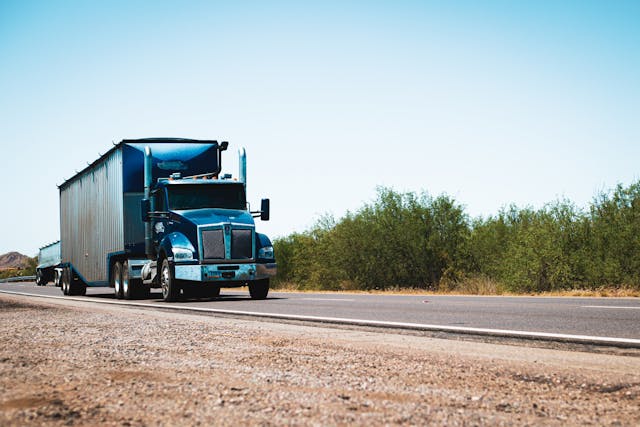
Interstate freight traffic is a big part of the economics of many regions. Many transportation businesses have depots and distribution centers in rural and suburban areas, which creates jobs in those areas. The business supports thousands of employment in Australia, from drivers and logistics coordinators to warehouse workers and technicians. These jobs are very important for making sure that commodities travel quickly over great distances.
Farmers and manufacturers in the region also need reliable transportation links to get to bigger markets. Smaller firms would have a hard time competing on a national level without good freight services. Transport services help businesses in rural areas thrive and reach more people by connecting them to big cities like Sydney, Melbourne, Brisbane, and Perth.
Changing to keep up with technology and sustainability
The transportation industry is becoming more focused on sustainability as people become more concerned with the environment. To cut down on carbon emissions, a lot of Australian logistics companies are buying fuel-efficient cars, designing the best routes, and using new technology. These actions are in line with national goals for sustainability and will also help businesses save money over time.
Technology is also changing the way goods are handled. Real-time tracking tools, computerised scheduling, and digital documentation have made things more open and efficient. Customers can now track shipments from when they leave the warehouse to when they arrive, which gives them peace of mind and helps them keep better track of their inventory. As Australia continues to accept new ideas, the future of goods transit will probably become even more efficient, eco-friendly, and sensitive to what the market wants.
Reliable goods services between states are particularly important for keeping the economy stable and making daily life easier. These networks make sure that Australia’s huge territory doesn’t get in the way of advancement; instead, it becomes a chance for growth and connection. They achieve this by moving important items and helping businesses expand.
Tags:KS