



Living in Blacktown and Still Relying on That Old Fuse Box? Here Is What That Actually Means for Your Home

18Views
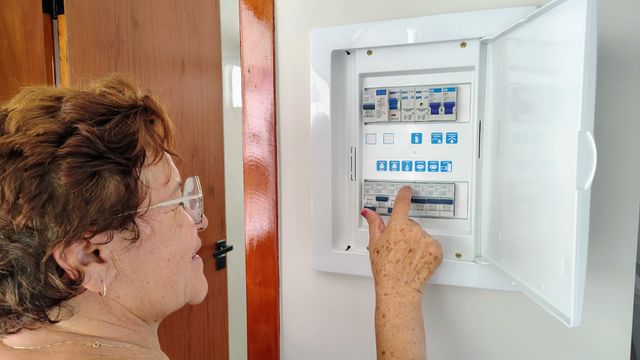
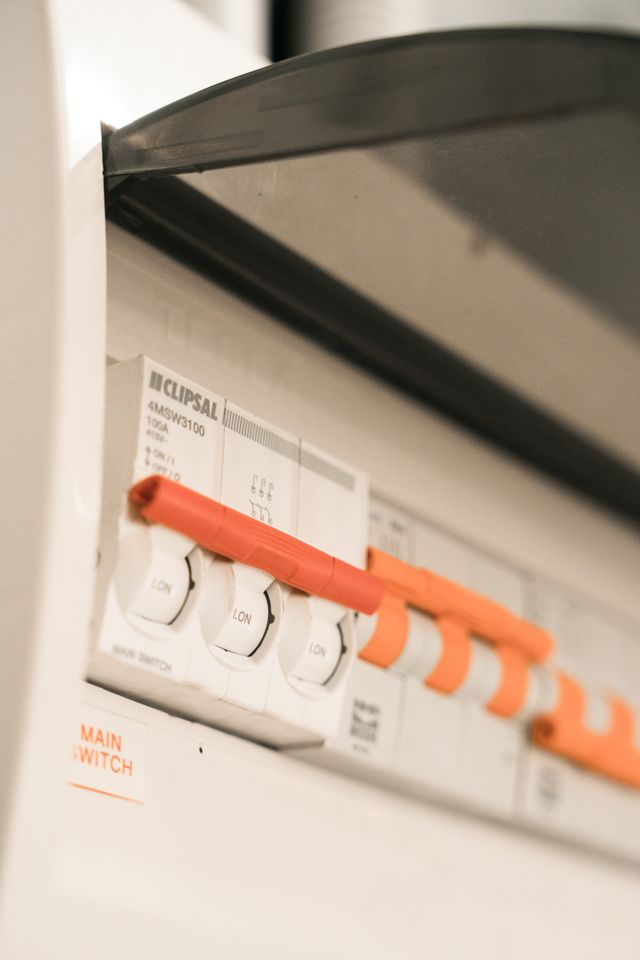
Enter a typical home in Blacktown built during the 1970s, and there is a very strong likelihood of coming across a meter box containing the fuse board that remains untouched from the day it was installed in that house. It bears the burden. It provides protection against overloads. And it will continue providing protection against faults which would have been cut off by a contemporary safety switch within a split second. That is the issue.
According to Fair Trading NSW, electrical faults are among the leading causes of up to 4,500 house fires per year in NSW, accounting for nearly 40% of all house fires. Although there are a variety of housing units in Blacktown ranging from mid-century brick houses to new apartments, the difference in terms of installation and present-day standards could not be any greater. Any experienced electrician Blacktown residents rely on will confirm this straight away.
Why Blacktown’s Housing Mix Creates Uneven Electrical Risk?
The period when the town experienced most of its expansion up until the 1970s and 1980s created houses where electrical fittings could handle limited loads such as one fridge, television, ceiling light fixtures and one power point per room. Today, these electrical fittings must accommodate ducted air conditioning, induction cookers, numerous computers and even in some cases, electric vehicle chargers during the evening.
Electrical fittings in older housing stock that has undergone renovations over several decades will face their own risks. Renovation means additional connections and electrical work done without hiring a licensed electrician means potential risks that can only be revealed years later. The switchboard could look alright on the surface but its wiring history could be hidden.
What a Licensed Electrician in Blacktown Actually Inspects?
A proper electrical inspection covers more than the homeowner can see from the hallway:
- Switchboard condition, circuit labelling accuracy, and whether each breaker corresponds to its marked area.
- Residual current device (RCD) and safety switch testing to confirm correct trip response under fault conditions.
- Outdoor wiring exposure around meter boxes, garden circuits, and air conditioning connections.
- Any power points or lighting circuits added during past renovation work that may not meet current compliance standards.
Visual condition gives part of the picture. Testing gives the rest. A safety switch that looks intact can fail a trip test, which means it would not activate during an actual fault. That distinction carries real consequences.
The Repairs That Should Not Wait
Some faults are nothing but a nuisance. Others are a warning sign that points to something seriously amiss. The difference shouldn’t be ignored:
- A smoky smell near a power outlet or light switch is usually a pretty clear indication that something has gone wrong somewhere.
- Lights that dim when you turn on a second appliance tell you that your circuit is running hot.
- A safety switch that keeps tripping and then resets is a bit like a person trying to tell you something; it’s trying to flag an active fault on the circuit.
- Discolouration around your power outlets or a fuse box that feels warm near the main switch says that there’s been sustained heat generation going on for a while now.
But here’s the thing, these don’t get fixed by themselves. You can’t just reset the switch and then hope it all magically sorts itself out. You need to find out what caused it to trip in the first place before you can get the repair done right.
Power Points, Lighting, and Ceiling Fan Installations Done to Code
In NSW, electrical installation work needs to be done by a licenced electrician. That means fitting a power point, installing a ceiling fan or hooking up a new circuit has to be done by someone who knows what they’re doing, and when it’s all done the licensed electrician needs to give you a Certificate of Compliance for Electrical Work (CCEW) within 7 days. The CCEW is proof that the job was done safely and to Australian Standards and you’ll need to hold onto it for future reference; it’s worth keeping.
But if the work is done by anyone who isn’t licenced, you get gaps in the record and things can get complicated with insurance and selling the place.
EV Charger and Smart Home Wiring in Older Blacktown Homes
A 7 kilowatt EV charger is basically the biggest sustained load you’ll ever put on a domestic switchboard. If you just hook it up without checking if the board can cope with it first then the results are usually pretty spectacular at the wrong time. That’s why it’s worth getting a licenced electrician in to review the current load, figure out if the board can take it, and tell you what needs to be upgraded before you even think about installing the charger.
CCTV cabling, your data points, and smart home connections often need to be run in the same job as your standard electrical work. Getting these done in one go saves you callout costs and keeps the electrical system up to date.
Tags:KS